
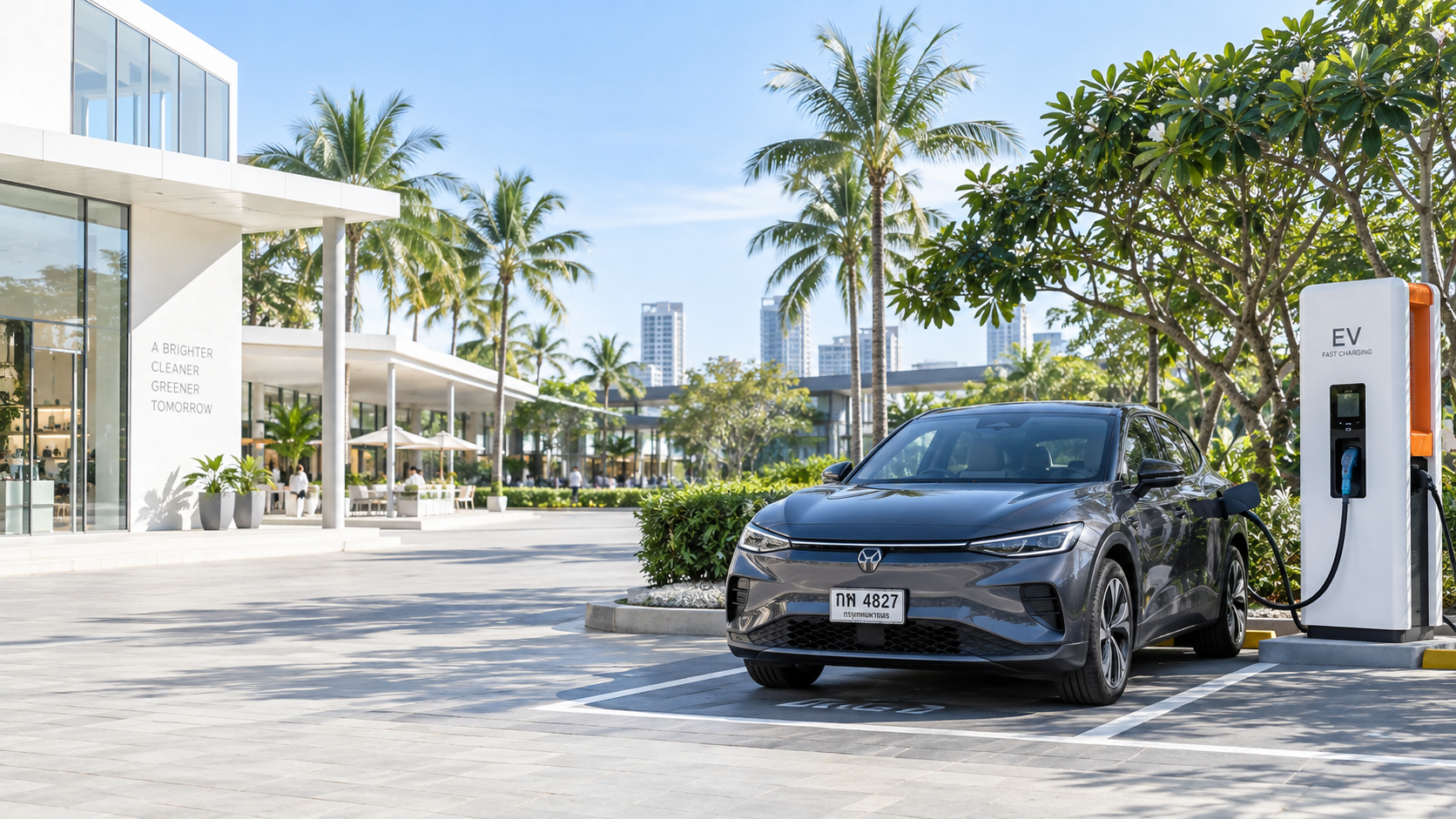
A charger is a long-lived site decision, not just a parking accessory. The best starting point is understanding how people already use the property and what a charging visit should add to that experience.
Start with the visit
Look at who arrives, when they arrive, how long they stay, and how they enter and leave. A hotel, workplace, retail destination, and fleet depot each has a different dwell pattern. Those patterns help inform charger type, placement, wayfinding, accessibility, and whether a mix of charging speeds should be considered.
Check the site before promising a configuration
Electrical capacity, cable routes, civil works, parking circulation, local approvals, and safe pedestrian paths all shape the design. A desktop review can identify questions, but a site survey and engineering assessment are needed before equipment, power levels, costs, or delivery dates are confirmed.
Plan operations with the hardware
Partners should agree who owns customer support, routine maintenance, issue escalation, energy billing, and the operating data needed to manage the site. Clear responsibilities are part of a good charging experience, not an afterthought.
For property teams exploring a project with K Power, the first conversation should bring the location, its visitors, and the operating model into the same discussion. Each opportunity still needs its own technical and commercial review.